KIST Meditation Pavilion

Information

  • Location: Seongbuk-gu, Seoul, South Korea
  • Year: 2016
  • Type: Pavilion
  • Site Area: 30.25 sqm
  • Building Area: 13.32 sqm
  • Gross Floor Area: -
  • Materials: UHPC
  • Building Scope: -

과학자를 위한 파빌리온은 한국과학기술연구원(KIST) 설립 50주년을 기념하여 계획되었다. 본 프로젝트는 1969년 한국의 거장 김수근 건축가에 의해 완공된 KIST 본관의 노출 콘크리트 건축 언어를 출발점으로 삼아, 반세기가 지난 오늘의 기술과 재료인 UHPC(Ultra High Performance Concrete)를 통해 이를 현대적으로 재해석하고자 하였다.
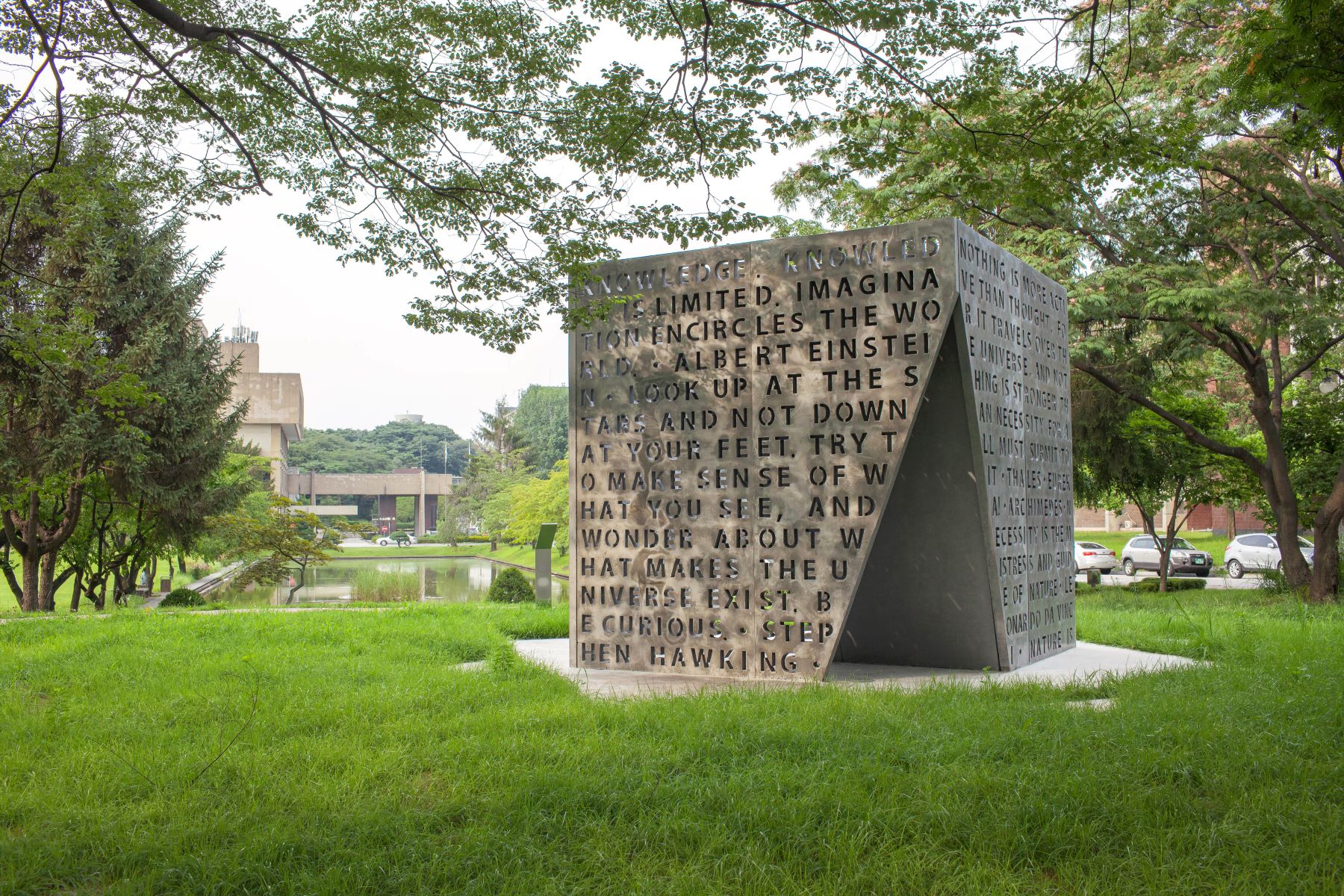
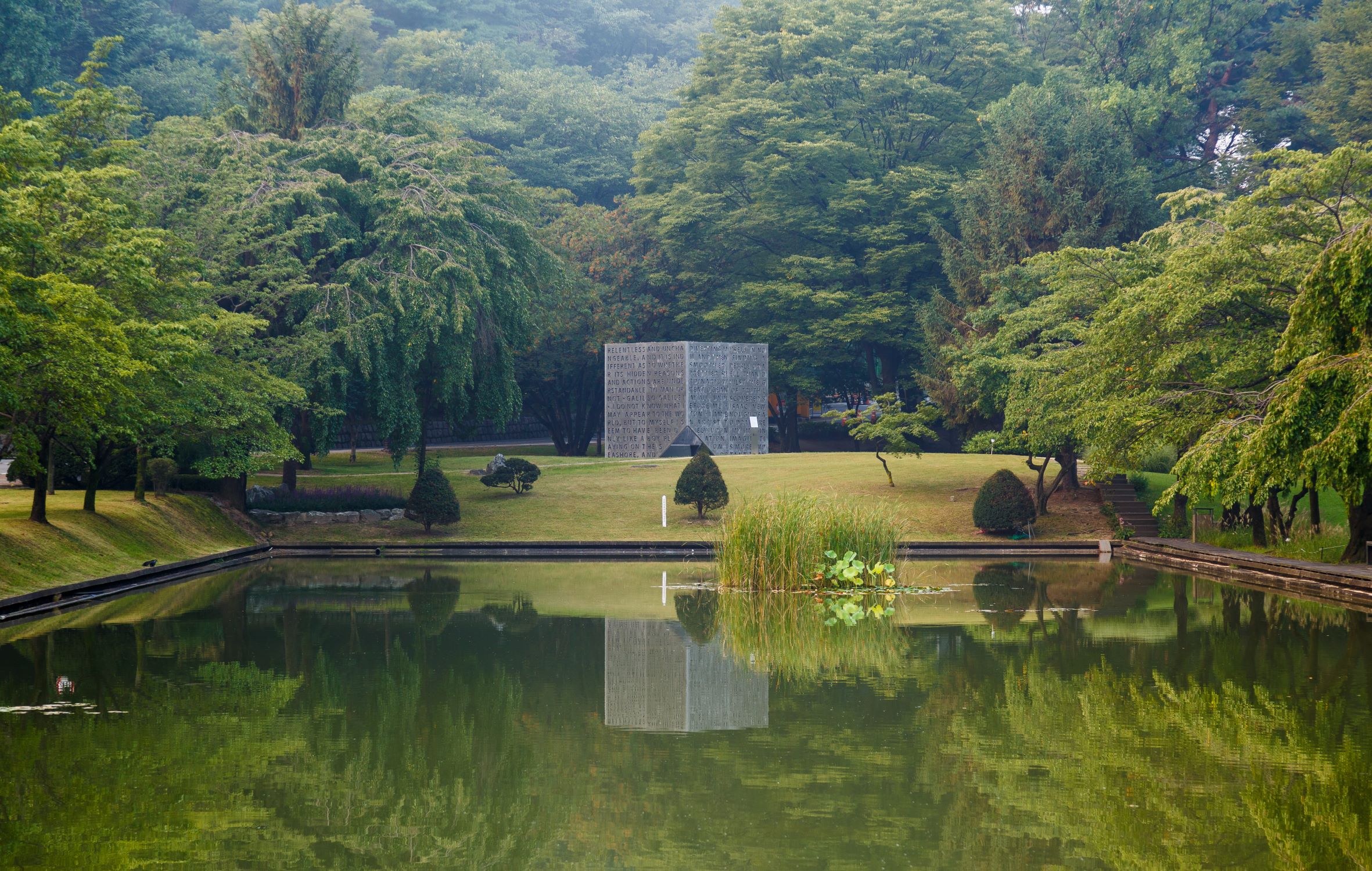
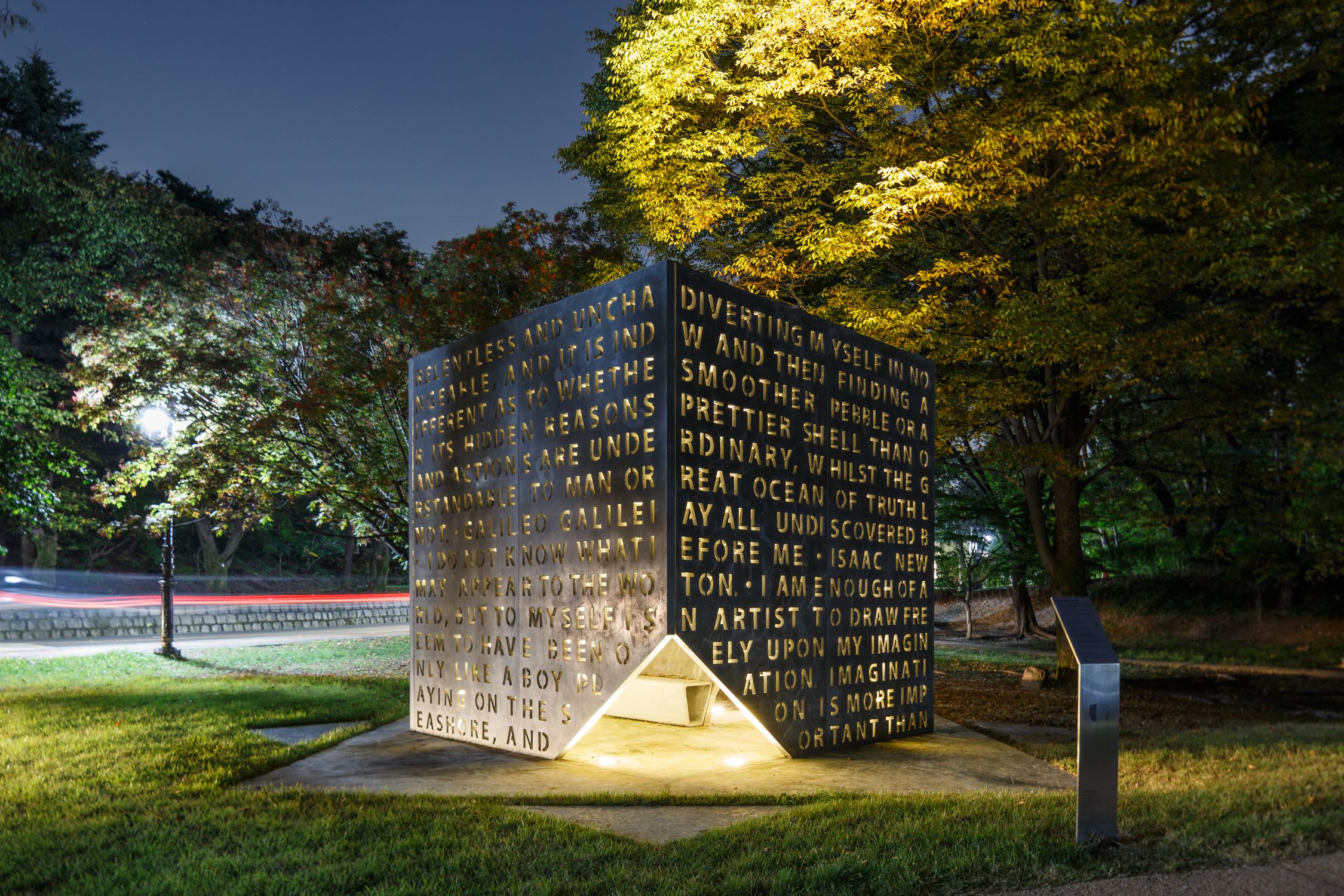
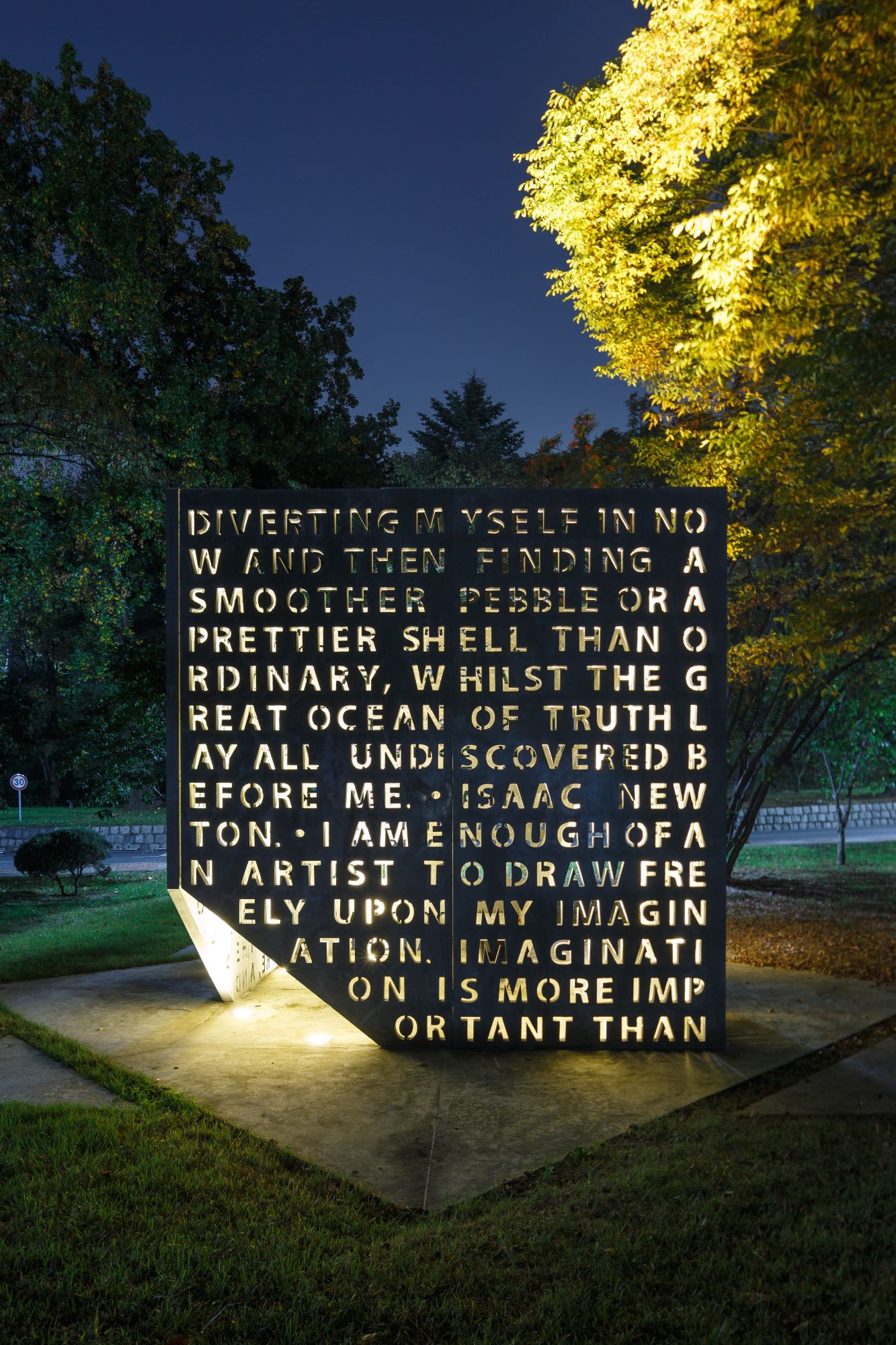
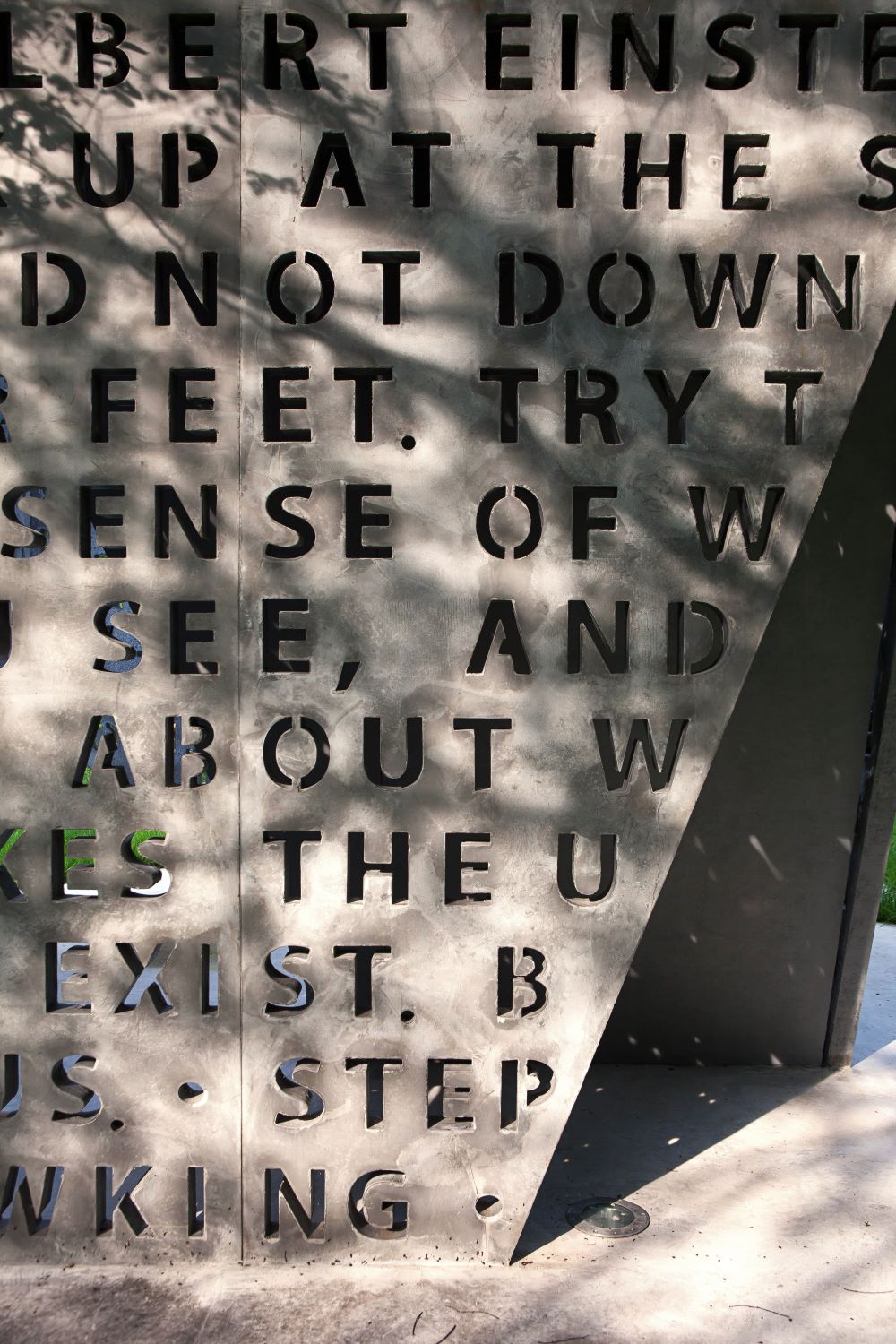
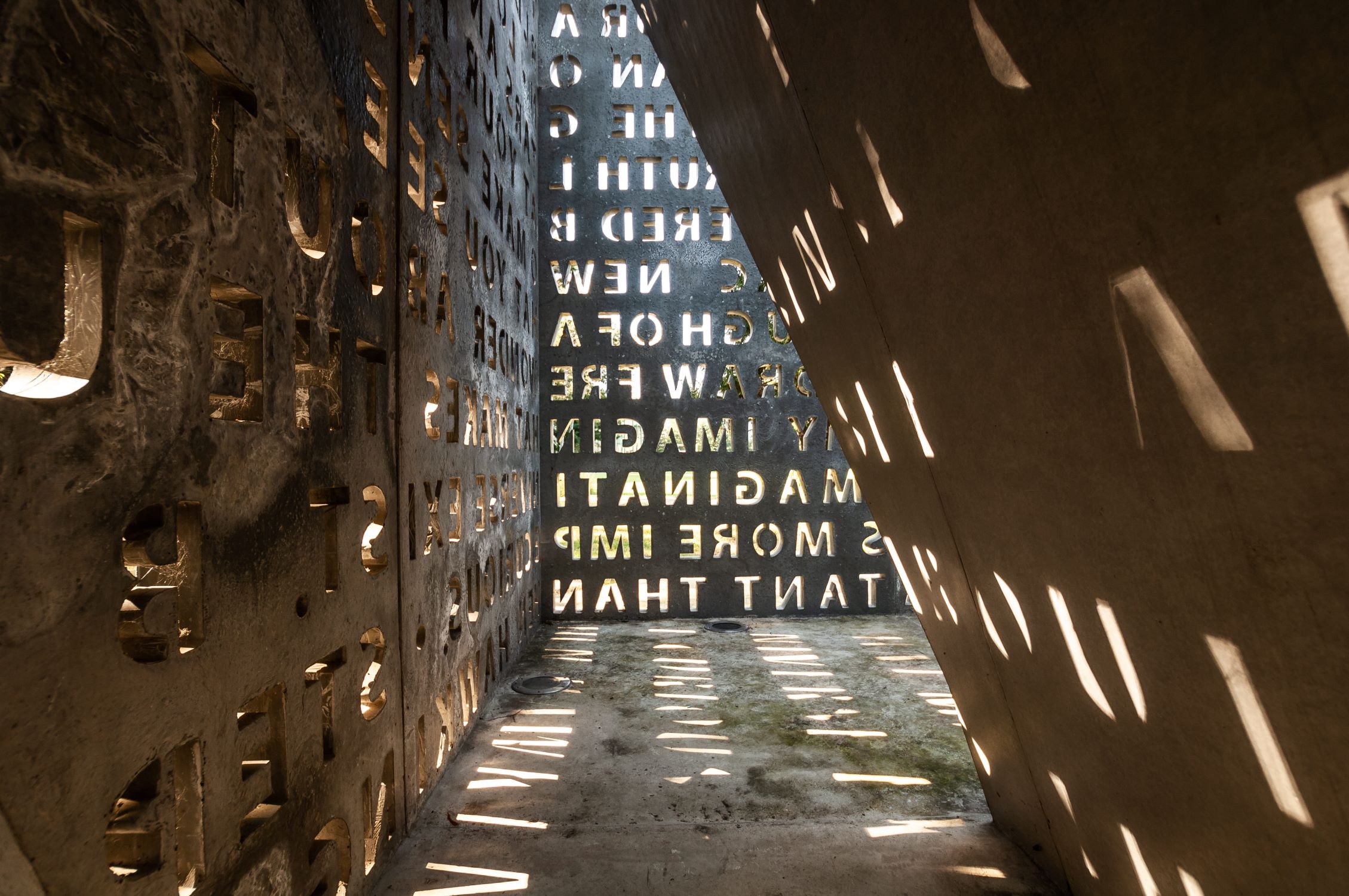
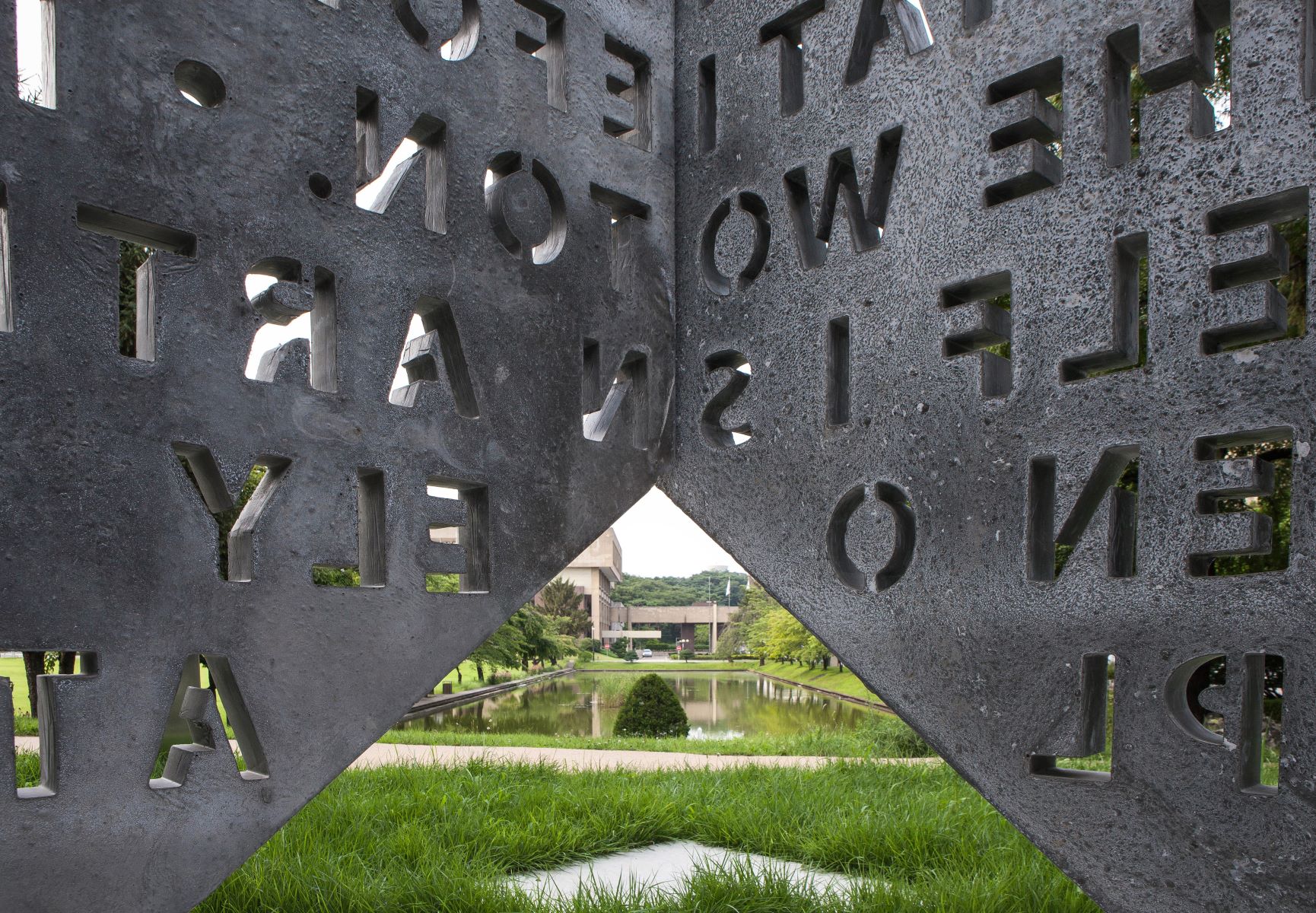
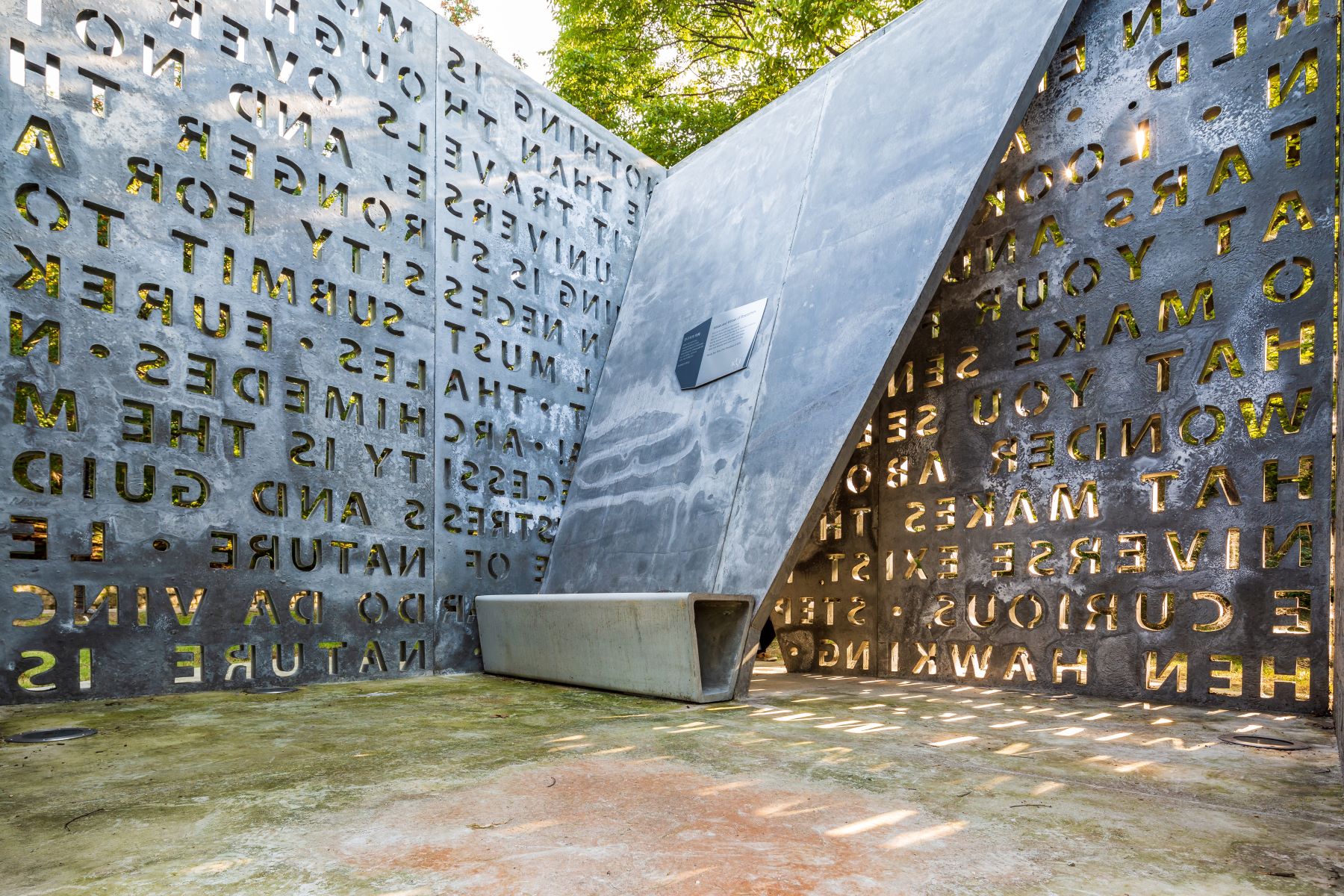
파빌리온은 가로·세로·높이 각각 3.65미터의 정육면체 공간으로 구성되며, 하부의 개방된 영역을 통해 전면에 위치한 연못을 조망할 수 있도록 계획되었다. 두께 8cm의 UHPC 패널 8장은 공장에서 정밀 제작된 후 현장에서 조립되는 방식으로 구축되었고, 각 입면 패널에는 과학 발전에 기여한 과학자들의 언명이 총 853개의 알파벳 문자로 새겨져 있다.
본 파빌리온은 한국에서 최초로 시도된 UHPC 구조물로, 시멘트와 유리섬유의 배합만으로 120MPa에 달하는 고강도를 구현한 것이 특징이다. 이는 재료의 물성과 구조적 가능성에 대한 실험이자, 과학과 건축이 교차하는 장소로서의 상징적 구축이다.

The Pavilion for Scientists was conceived to commemorate the 50th anniversary of the Korea Institute of Science and Technology (KIST). The project takes as its point of departure the exposed concrete architectural language of the KIST Main Building, completed in 1969 by the Korean master architect Kim Swoo-geun, and reinterprets it through contemporary technology and materiality—UHPC (Ultra High Performance Concrete)—half a century later.
The pavilion is configured as a cubic volume measuring 3.65 meters in width, depth, and height. An open lower portion frames views toward the reflecting pond positioned in front of the structure, establishing a quiet visual and spatial dialogue with its surroundings. Eight UHPC panels, each 8 cm thick, were precisely prefabricated off-site and assembled on site. Each façade panel is engraved with the names of scientists who have contributed to the advancement of science, rendered through a total of 853 alphabetic characters.
As the first UHPC structural pavilion realized in Korea, the project is distinguished by its material performance: a compressive strength of 120 MPa, achieved solely through a mixture of cement and glass fibers. The pavilion stands as both an experiment in material and structural potential and a symbolic construction—an architectural threshold where science and contemplation converge.

Go to list